

 See My Latest Article on HelloNation
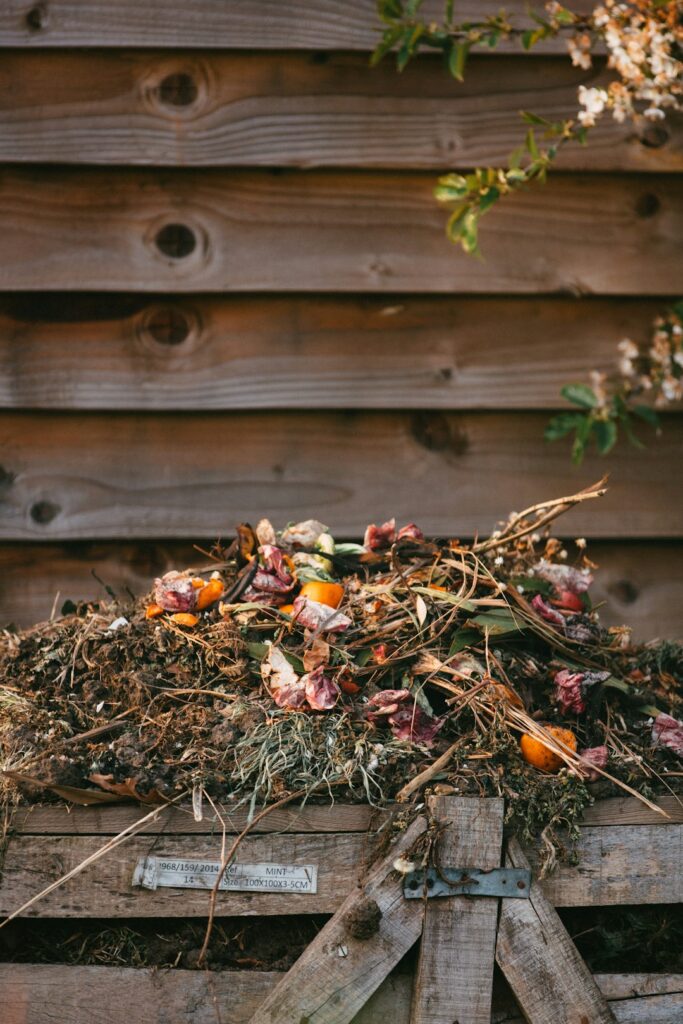
Composting at home turns kitchen scraps and yard debris into a dark, crumbly soil amendment that can improve garden soil, reduce household waste, and support healthier plants. For residents of Phoenixville, PA, composting can work in a backyard, side yard, patio, or even a small apartment setup when the method matches the available space.
What does composting do?
Composting is the controlled decomposition of organic material by microorganisms, fungi, insects, and other small organisms. The finished product is called compost, and it can improve soil structure, moisture retention, drainage, and biological activity.
Compost is not a complete replacement for soil, fertilizer, or mulch. It is best used as a soil amendment or top dressing. Adding a moderate amount each year is generally more useful than applying a thick layer all at once.
What should go into a home compost pile?
A productive pile needs a mixture of “greens,” which provide nitrogen, and “browns,” which provide carbon.
Green materials include:
- Fruit and vegetable scraps
- Coffee grounds and paper filters
- Fresh grass clippings
- Fresh weeds that have not gone to seed
- Plant trimmings
- Small amounts of herbivore manure, such as from rabbits or chickens
Brown materials include:
- Dry leaves
- Shredded paper and plain cardboard
- Small twigs
- Straw
- Sawdust from untreated, unpainted wood
- Dried garden stems
A practical starting balance is roughly two or three parts brown material for every one part green material by volume. This does not need to be exact. If the pile smells sour or becomes slimy, add more dry leaves or shredded cardboard. If it stays dry and unchanged, add a small amount of water and more green material.
Cutting food scraps and garden debris into smaller pieces helps them break down faster.
What should not go into backyard compost?
Avoid meat, fish, bones, dairy products, grease, oils, pet waste, glossy paper, treated wood, diseased plants, and weeds carrying mature seeds. These materials can create odors, attract animals, spread pathogens, or survive the composting process.
A backyard pile should also stay free of trash, plastic, metal, and synthetic materials. “Compostable” packaging may require a commercial composting facility rather than a home pile.
Residents should also distinguish between home composting and municipal yard-waste collection. The local compost site accepts yard and plant waste, not household food waste. Accepted materials generally include leaves, grass and weed clippings, brush, and smaller branches, while food scraps and household trash are not accepted.
Where should a compost pile be placed?
Choose a level location with good drainage and convenient access to water. A spot with partial shade can help prevent the pile from drying out during warm weather, while some sun can help it warm more quickly.
Avoid placing compost directly against a house, shed, fence, or tree trunk. Leave enough room to turn the pile and retrieve finished material. In compact neighborhoods, a lidded compost tumbler or enclosed bin may be more practical than an open pile because it keeps materials contained and can reduce animal activity.
A pile should be at least about 3 feet wide, deep, and high to generate useful heat. Smaller piles can still decompose, but they often work more slowly.
How much moisture does compost need?
Compost should feel like a wrung-out sponge: damp but not dripping. Too much water fills the air spaces and creates anaerobic conditions, which often cause foul odors. Too little moisture slows microbial activity.
During dry summer periods, especially when grass and leaves dry quickly, check the pile every week. Add water gradually while turning the materials so moisture spreads evenly. During rainy periods, a cover or lidded bin can prevent the pile from becoming saturated.
Does compost need to be turned?
Turning is not mandatory, but it usually speeds decomposition. Use a garden fork or compost aerator to move the outer, less-decomposed material into the center. Turning every week or two is enough for an active pile.
A low-maintenance pile can be built gradually and left to decompose with occasional moisture checks. This approach may take several months to a year, depending on the materials, temperature, moisture, and how often the pile is mixed.
In southeastern Pennsylvania, composting generally slows during cold winter weather. Food scraps can still be added, but the pile may not heat significantly until spring.

Why does a compost pile smell bad?
A strong rotten or sulfur-like odor usually means the pile is too wet, too compacted, or overloaded with nitrogen-rich material. Add dry leaves, shredded cardboard, or small twigs, then turn the pile thoroughly.
An ammonia smell can indicate too many fresh grass clippings or other nitrogen-rich materials. Mix in additional browns and avoid adding a thick layer of grass all at once. Grass clippings can also be left on the lawn after mowing if they are not excessively long or wet.
Fruit flies and other small insects are common around food scraps. Burying fresh scraps beneath a layer of leaves or finished compost helps keep them less noticeable.
When is compost ready to use?
Finished compost is dark brown, crumbly, and earthy-smelling. Original ingredients should be difficult to recognize, although small twigs or eggshell pieces may remain.
Before using compost around seedlings, allow it to mature fully. Immature compost can temporarily compete with plants for nitrogen or contain materials that are still decomposing.
Use finished compost in several ways:
- Mix a modest amount into garden soil before planting.
- Add a thin layer around established vegetables, flowers, and shrubs.
- Blend it into homemade potting mixes with other appropriate ingredients.
- Apply it when preparing new planting beds.
- Use it to improve compacted or sandy soil over time.
For a convenient purchased option, a bagged product such as Bumper Crop combines most of the individual amendment materials that gardeners might otherwise gather separately. Bagged compost is useful when a household lacks space for a pile or needs a consistent material for a small planting project.
Should compost replace mulch?
No. Compost and mulch serve different purposes. Compost is primarily incorporated into soil or applied as a thin top dressing. Mulch sits on the soil surface to reduce evaporation, moderate soil temperature, limit weed growth, and reduce erosion.
Apply mulch at a depth of 2–3 inches, keeping it a few inches away from plant stems and tree trunks. Suitable materials include shredded leaves, leaf mold, shredded bark, and shredded wood. Avoid piling mulch against trunks, which can encourage moisture-related problems and pest activity.
Does garden soil need testing before adding compost?
A soil test is useful when plants perform poorly, soil amendments are being added regularly, or a new garden bed is being established. It can identify nutrient levels and soil pH so compost and fertilizer are used more carefully.
A professional soil test through Penn State Extension is the more precise option and provides recommendations based on laboratory analysis. A basic at-home soil test kit is faster and convenient for a general indication, but it is less precise and may provide limited guidance.
Testing is especially helpful before adding large amounts of compost because excessive nutrients, particularly phosphorus, can create environmental problems. Compost should improve a soil-management plan, not replace one.
What is the simplest way to begin?
Start with a small bin, a supply of dry leaves, and a container for collecting kitchen scraps. Add food scraps in thin layers, cover them with leaves or shredded paper, and monitor moisture. Keep meat, dairy, oils, pet waste, and treated materials out of the pile.
Households without enough yard space can focus on leaf composting, use a compact tumbler, or participate in permitted yard-waste collection. The most successful method is the one that fits the property, household habits, and amount of organic material produced.