

 See My Latest Article on HelloNation
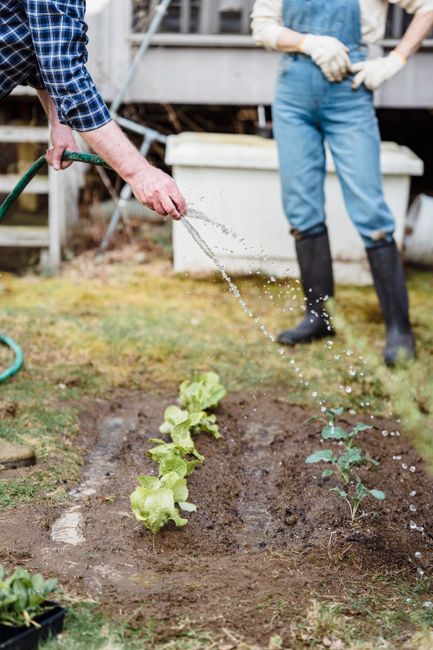
New gardeners often struggle not because gardening is mysterious, but because plants are placed in conditions that do not match their needs. In Phoenixville, PA, changing spring temperatures, humid summers, heavy rainfall, compacted soil, and limited household space can all affect results.
The most reliable approach is to start with the growing conditions already present, then choose plants and routines that fit them.
Planting too early in spring
Planting warm-season crops as soon as the weather feels pleasant is a common mistake. A few mild days do not necessarily mean that the soil and overnight temperatures are suitable for tomatoes, peppers, cucumbers, basil, or other heat-loving plants.
Spring conditions can shift quickly. Cold soil slows root growth, while a late frost can damage tender foliage.
Before planting, consider:
- The crop’s tolerance for cold
- Overnight temperatures, not just daytime highs
- Soil temperature and drainage
- Whether a temporary cover is available during a cold snap
Cool-season crops such as lettuce, peas, radishes, and many leafy greens can usually tolerate earlier planting. Warm-season crops should wait until cold nights have largely passed and the soil has begun to warm.
Choosing plants without checking the site
A plant can be healthy at a garden center and still fail at home if the location does not provide suitable light, moisture, or space.
Observe the proposed planting area for several days. Full-sun vegetables generally need about six or more hours of direct sunlight, while some leafy crops and woodland plants tolerate partial shade. A sunny area in April may become shaded later as trees leaf out, so seasonal changes matter.
Also check:
- Whether water collects after rain
- How close the site is to foundations, fences, or large tree roots
- Whether strong wind dries the soil or damages tall plants
- How much room mature plants will actually require
Plant tags often describe mature width as well as height. Ignoring that information can lead to crowded beds, poor air circulation, and plants that shade one another.
Treating all soil as the same
Many new gardeners assume that dark or crumbly soil is automatically suitable for every plant. In established residential areas, soil may be compacted by construction, disturbed during utility work, or mixed with gravel and fill. Some sites also contain dense clay that drains slowly after heavy rain.
A simple soil check can reveal useful information. Dig a small hole and examine whether the soil is loose, compacted, excessively wet, or full of stones and roots. If water remains in the hole for a long time after rainfall, drainage may be a larger problem than fertility.
Adding a thick layer of compost to the surface can help over time, but it will not correct every drainage problem immediately. Avoid creating a separate pocket of rich soil in a planting hole surrounded by dense native soil; roots may remain confined to that small area, and water can collect there.
For vegetable beds, gradually improving the entire root zone is generally more effective than adding amendments only around individual plants.
Watering too often or too lightly
Frequent, shallow watering can produce weak root systems because moisture remains near the soil surface. It also encourages gardeners to react to wilt without checking why the plant is stressed.
Watering needs vary with soil, plant size, weather, and container volume. Newly planted seedlings usually need more consistent attention than established perennials. Containers dry faster than garden beds, especially during hot, breezy weather.
Check the soil a few inches below the surface before watering. If it is still damp, the plant may not need more water. If it is dry, water slowly enough to soak the root zone rather than allowing water to run off.
Morning watering is usually practical because leaves can dry during the day. Avoid routinely wetting foliage late in the evening, particularly during humid periods, because prolonged moisture can increase some disease problems.
Planting too closely
Crowding plants may seem efficient, especially in a small yard or raised bed, but it often causes problems later in the season. Overcrowded plants compete for moisture and nutrients, and dense foliage restricts air movement.
Poor air circulation can contribute to fungal diseases on tomatoes, squash, cucumbers, roses, and other susceptible plants. Plants may also become difficult to inspect, weed, harvest, or support.
Use the mature spacing listed for the plant as a starting point. If a plant is described as spreading three feet wide, it will eventually need approximately that much room, even if it looks small at planting time.
Applying mulch incorrectly
Mulch helps reduce evaporation, moderate soil temperature, and limit weeds, but too much mulch can harm plants. Piling it against tree trunks, shrubs, or perennial crowns creates a damp environment that may encourage decay and attract pests.
Apply mulch in a broad, even layer several inches away from stems and trunks. Keep it loose rather than compressed against the soil. Organic mulch will gradually break down, so it may need occasional replenishment, but adding new material on top of an excessively thick layer can create problems.
Mulch should support healthy soil, not replace proper watering or solve standing-water issues.
Fertilizing before identifying the problem
Yellow leaves, slow growth, and poor flowering are not always signs of nutrient deficiency. The cause may be overwatering, root damage, insufficient light, compacted soil, insect feeding, or disease.
Applying fertilizer without identifying the problem can worsen plant stress or encourage excessive leafy growth at the expense of flowers and fruit. Excess nutrients can also move through soil during heavy rain.
Before fertilizing, examine the whole plant and its surroundings. Look at the leaf pattern, inspect the undersides of leaves, check soil moisture, and consider whether light conditions have changed. A soil test can be more useful than guessing, especially for long-term vegetable beds.
Ignoring pests until damage is severe
Finding a few holes in a leaf does not always require immediate treatment. Some insect damage is minor, and many gardens support predators that help keep pest populations in check.
Walk through the garden regularly and look for:
- Clusters of insects or eggs
- Chewed leaves and fresh droppings
- Distorted new growth
- Wilting stems
- Damage concentrated on one plant
Identify the pest before taking action. Removing affected leaves, using physical barriers, hand-picking larger pests, or improving plant health may be enough. Broad, unnecessary treatments can harm pollinators and beneficial insects.
Deer, rabbits, and other wildlife can also affect gardens in residential areas. A plant that is described as “resistant” is not necessarily immune, particularly when natural food is limited.
Failing to keep simple records
A garden journal does not need to be elaborate. Record planting dates, varieties, locations, weather problems, pest activity, and which plants performed well.
These notes help explain why a crop succeeded or failed. They can also prevent repeating mistakes such as planting tender crops too early, placing sun-loving plants in shade, or growing vigorous vines without enough support.
Local conditions vary from one property to another, so personal observations often become more useful than general planting advice over time.
Neglecting seasonal cleanup and preparation
Garden work does not end when summer harvests slow down. Removing diseased plant material, clearing fallen fruit, cleaning supports, and protecting vulnerable perennials can reduce problems in the following season.
Healthy plant debris may be composted if local conditions and the compost system are suitable. Diseased foliage or plants with serious pest problems should not be added casually to a home compost pile.
Autumn is also a good time to assess drainage, repair damaged beds, and note areas that remained too wet or too dry. Winter planning based on those observations makes spring work more manageable and reduces impulse planting.
Gardening becomes more predictable when each decision considers the site, the season, and the mature needs of the plant. Starting with fewer crops, observing conditions carefully, and changing one factor at a time makes it easier to learn what works in a particular yard.