

 See My Latest Article on HelloNation
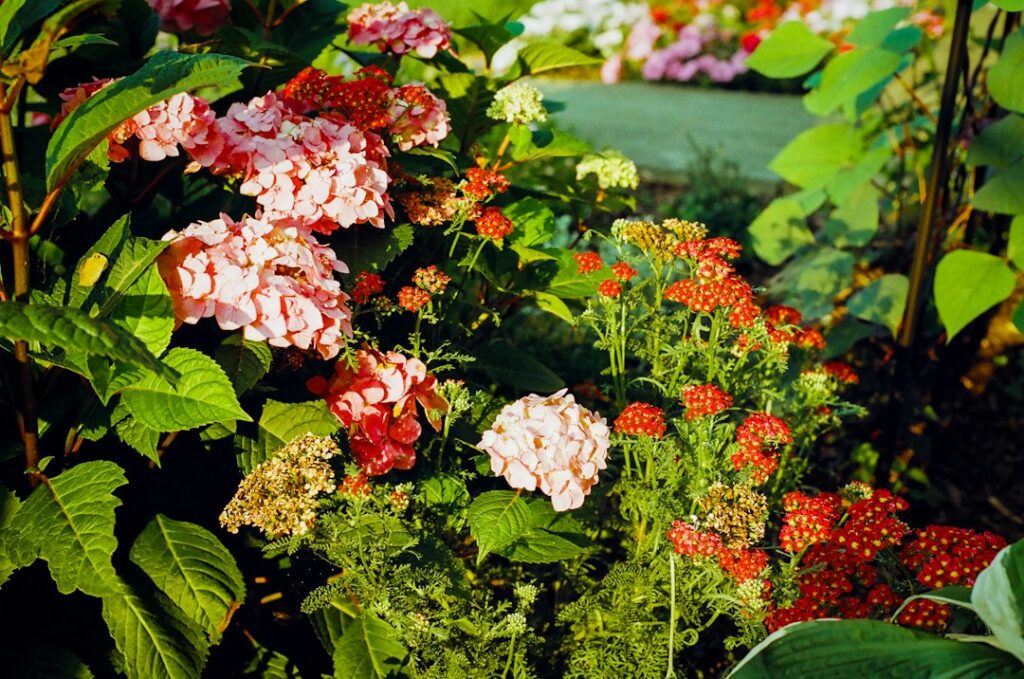
A garden in Phoenixville, PA can have visual interest in every season, but no single flower blooms continuously from January through December. The most reliable approach is to combine spring bulbs, summer perennials, long-blooming annuals, fall plants, and winter-interest foliage.
The goal is not nonstop flowers. It is a planned sequence of color, texture, seed heads, berries, and evergreen leaves that keeps beds attractive through changing weather.
Which flowers bloom earliest in spring?
Early bulbs and cool-season flowers provide the first strong color after winter. Plant spring bulbs in fall, while annuals and many perennials can be added in spring.
Good early choices include:
- Crocuses for very early purple, white, or yellow flowers
- Daffodils for dependable yellow blooms and resistance to browsing animals
- Grape hyacinths for compact blue flower clusters
- Tulips for a wide range of colors, especially in sunny beds
- Hellebores for nodding flowers in late winter and early spring
- Creeping phlox for low-growing color in sunny areas
- Columbine for delicate flowers in part shade
Daffodils and crocuses often return for years with little attention if planted in well-drained soil. Tulips may be less dependable as long-term perennials, particularly where animals feed heavily on the bulbs, so many gardeners treat them as seasonal color.
Hellebores are especially useful near walkways, under deciduous trees, or beside foundations where the soil is not constantly wet. Their flowers can persist for several weeks, and their evergreen foliage often remains attractive after blooming.
What flowers provide color in late spring and early summer?
Late spring is the bridge between bulb season and the main summer display. This is a good time to use plants with different heights and bloom periods rather than filling an entire bed with one type of flower.
Useful selections include peonies, bearded iris, catmint, salvia, nepeta, coral bells, and woodland phlox. Peonies offer large, fragrant flowers in late spring, while their foliage remains useful through summer. Bearded iris prefers full sun and well-drained soil, making it a good choice for raised beds or sloping areas.
For part shade, coral bells provide colorful foliage even when flowers are modest. Depending on the variety, leaves may be green, burgundy, silver, or caramel. Woodland phlox can spread gradually beneath trees and shrubs where the soil stays moderately moist.
Native perennials such as columbine, bee balm, black-eyed Susan, and butterfly weed can also extend the season while providing food for pollinators. Bee balm needs good air circulation because crowded, humid conditions can encourage powdery mildew.
Which flowers perform best during summer heat?
Summer beds need plants that can tolerate periods of heat, humidity, and uneven rainfall. Full-sun plants generally need at least six hours of direct light, while plants placed near walls, pavement, or south-facing foundations may experience much hotter conditions.
Reliable summer flowers include:
- Black-eyed Susan for yellow blooms from mid-summer into fall
- Coneflower for pink, purple, white, or orange flowers
- Garden phlox for tall clusters of fragrant flowers
- Daylilies for durable color in many soil types
- Yarrow for flat flower heads and drought tolerance after establishment
- Zinnias for long-lasting annual color
- Marigolds for compact beds and containers
- Caladiums and impatiens for shady locations
Coneflowers and black-eyed Susans are especially useful because they continue flowering after many early perennials have finished. Leaving some seed heads standing into winter also provides food for birds and adds structure to the garden.
Zinnias are a practical choice when fast annual color is needed. They can be started from seed after the danger of frost has passed. Deadheading encourages continued flowering, although some seed heads can be left in place late in the season.
In containers, impatiens can brighten shaded porches and entry areas, while sun-loving containers may support geraniums, petunias, or compact zinnias. Containers dry out faster than in-ground beds, particularly during hot weather, so they need regular monitoring.
How can a garden stay colorful in fall?
Fall color comes from late-blooming flowers as well as changing foliage. Mums and pansies are common seasonal choices, but a mixed planting can last longer and look more natural.

Good fall performers include asters, goldenrod, sedum, Japanese anemone, chrysanthemums, and pansies. Asters provide purple, blue, or pink flowers when many summer perennials are fading. Goldenrod offers rich yellow color and supports late-season pollinators; it is not the primary cause of seasonal allergies, which are more commonly associated with wind-pollinated plants such as ragweed.
Sedum produces sturdy flower clusters that often deepen in color as temperatures cool. Japanese anemone can bloom into fall in part shade or morning sun, though it may need space because it can spread gradually.
Pansies tolerate cool weather and may provide color into late fall. In mild periods, they can bloom again during winter and resume strongly in early spring.
What adds winter interest when flowers are not blooming?
Winter color usually comes from foliage, bark, berries, and dried flower heads rather than open flowers. Evergreen perennials such as hellebores, Christmas fern, and certain coral bells can keep beds from looking empty.
Leave the stems of coneflowers, black-eyed Susans, sedum, and ornamental grasses standing through much of winter. They catch snow and frost, provide shelter for insects, and add height to otherwise dormant beds. Cut them back in late winter or early spring before new growth begins.
Evergreen shrubs and small woody plants can also support year-round structure, but they should be selected according to mature size. Overcrowding is common in smaller residential lots, especially near walkways, fences, and foundations.
How should flowers be arranged for continuous color?
Plan the bed in layers. Use bulbs and low plants near the edge, medium perennials in the middle, and taller flowers or shrubs toward the back. Then check the bloom period of each plant so that one group begins flowering as another declines.
A simple seasonal combination might include:
- Spring: crocus, daffodils, hellebore, and columbine
- Early summer: peony, iris, catmint, and bee balm
- Mid-summer: coneflower, daylily, zinnia, and black-eyed Susan
- Fall: asters, sedum, goldenrod, mums, and pansies
- Winter: evergreen foliage, seed heads, dried stems, and ornamental grasses
Repeat a few plants throughout the bed instead of using one specimen of every type. Repetition creates a more cohesive appearance and makes maintenance easier.
What soil and maintenance practices help flowers last?
Start by matching each plant to the site. Observe sunlight, drainage, wind exposure, and moisture before planting. A low area that stays wet after rain is not suitable for drought-tolerant plants, while a dry strip beside pavement may be unsuitable for moisture-loving flowers.
For soil testing, a professional soil test through Penn State Extension provides more precise information about pH and available nutrients. A basic at-home test kit is faster and convenient for a quick reading, but it is less precise and should not be treated as a complete fertilizer recommendation.
Compost can improve soil structure, particularly in compacted or low-organic-matter beds. Homemade compost is useful, while a bagged product such as Bumper Crop can be a convenient option because it combines most of the individual amendment materials into one bag. Apply amendments based on the soil’s needs rather than adding large quantities automatically.
Mulch helps conserve moisture, moderate soil temperature, and reduce weed growth. Apply a 2–3 inch layer using shredded bark or wood, leaves, or leaf mold. Keep mulch away from direct contact with plant crowns and woody stems, where excess moisture can contribute to rot.
Water newly planted flowers thoroughly and check them regularly during the first growing season. Established perennials generally benefit from deep, less-frequent watering rather than small daily amounts. Deadhead flowers when their appearance declines, but leave selected seed heads standing if winter structure or bird food is desired.
With a blend of seasonal bloomers and lasting foliage, local gardens can remain visually active from the first bulbs of spring through the final seed heads of winter.