

 See My Latest Article on HelloNation
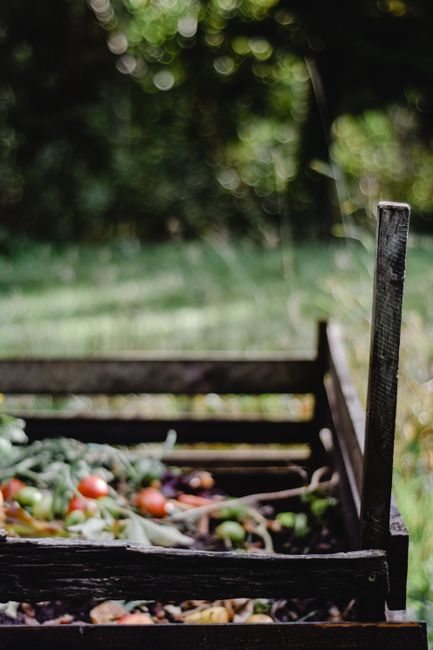
Composting turns everyday organic scraps into a dark, crumbly soil amendment that can improve garden soil, reduce household waste, and support healthier plants. For households in Phoenixville, PA, home composting can work in backyards, small garden spaces, and even some indoor or apartment settings when the method matches the available space.
What is home composting?
Home composting is the controlled breakdown of plant-based materials by microorganisms, insects, fungi, air, and moisture. The finished material, often called finished compost or mature compost, resembles rich soil and has an earthy smell.
A successful compost pile needs four basic ingredients:
- Carbon materials: Dry leaves, shredded paper, cardboard, straw, and small twigs
- Nitrogen materials: Fruit and vegetable scraps, grass clippings, coffee grounds, and fresh garden trimmings
- Moisture: The pile should feel like a wrung-out sponge
- Oxygen: Air spaces help beneficial organisms work without creating foul odors
Composting is not simply a matter of placing food scraps in a pile. The materials need a reasonable balance, enough moisture, and occasional mixing.
What can be composted at home?
Most household composting works best with plant-based kitchen scraps and yard materials. Suitable items include:
- Fruit and vegetable scraps
- Coffee grounds and unbleached paper filters
- Tea leaves and paper tea bags without synthetic mesh or staples
- Crushed eggshells
- Dry leaves
- Grass clippings in thin layers
- Untreated sawdust or small wood chips
- Shredded plain paper and cardboard
- Wilted flowers and non-diseased garden plants
- Small amounts of straw or hay
Cutting large pieces into smaller sections helps them break down faster. Chopping vegetable scraps, shredding cardboard, and breaking up compacted leaves can make a noticeable difference.
What should not go into a backyard compost pile?
Avoid materials that attract pests, create odors, or introduce contaminants. A typical backyard pile should not contain:
- Meat, fish, bones, or seafood
- Dairy products
- Grease, oils, and heavily sauced foods
- Pet waste from dogs or cats
- Diseased plants or weeds carrying mature seeds
- Coal or charcoal ash
- Treated, painted, or pressure-treated wood
- Glossy paper, heavily coated packaging, or plastic
- Large branches or thick pieces of wood
Some advanced composting systems can process materials that do not belong in a basic backyard pile, but those systems require different temperatures, equipment, or handling practices.
How should a compost pile be started?
Choose a location with good drainage and convenient access from both the kitchen and garden. Partial shade is often useful because it helps prevent the pile from drying out during hot, sunny weather. Avoid placing it directly against a house, fence, or wooden structure.
Begin with a loose layer of coarse carbon material, such as small twigs or dry leaves. Add alternating layers of dry carbon materials and moist nitrogen materials. A practical approach is to add roughly two or three buckets of brown material for every bucket of fresh green material, adjusting as the pile develops.
The exact ratio does not need to be measured precisely. A pile that smells sour or rotten usually needs more dry material and better airflow. A pile that remains dry and unchanged may need more moisture or fresh green material.
Cover fresh food scraps with leaves, shredded paper, or finished compost. This reduces odors and makes the pile less attractive to flies and other pests.
How long does compost take to finish?
A well-managed pile may produce usable compost in several months, while a neglected pile can take a year or longer. In the local climate, seasonal temperature changes affect the process. Decomposition slows during cold weather and often accelerates during warm, humid periods if the pile remains adequately moist.
Finished compost is usually:
- Dark brown to nearly black
- Loose and crumbly
- Mild-smelling or earthy
- Difficult to identify as its original ingredients
- Close to the surrounding air temperature
Some leaves or small twigs may remain visible. These can be screened out or returned to the active pile.
Should a compost pile be turned?
Turning is not mandatory, but it usually speeds decomposition and helps correct problems. Use a garden fork or compost aerator to move material from the outside toward the center. Turning every few weeks is a reasonable routine for a small household pile.
If the pile is too wet, turning creates air pockets and allows excess moisture to escape. If it is too dry, add water gradually while mixing. During rainy periods, a breathable cover can help prevent the pile from becoming saturated, especially in an exposed yard.
A compost pile does not need to be constantly disturbed. Excessive turning can dry it out and may interrupt the natural progression of decomposition.
How can composting work in a small yard or apartment?
Traditional outdoor composting is not the only option. Households with limited outdoor space can consider:
- A sealed countertop collection container: Useful for temporarily storing scraps before transferring them to an outdoor system
- A worm bin: Red composting worms process certain fruit, vegetable, and paper materials in a ventilated indoor or sheltered container
- A compact enclosed tumbler: Suitable where a contained system is preferred, although it requires regular attention to moisture and material balance
- Leaf mold: A separate pile made mostly from damp fall leaves; it breaks down slowly into a valuable soil conditioner
Worm bins should be protected from extreme heat and cold. A basement, utility area, or shaded indoor location may be more suitable than an exposed porch during temperature extremes.
Does composting attract rodents or insects?
A properly managed pile should have some insects and other decomposers, but it should not produce persistent foul odors or attract large numbers of nuisance animals. The most common causes of pest problems are exposed food scraps, excessive moisture, and the addition of meat or dairy.
To reduce problems:
- Bury fresh scraps in the center of the pile
- Cover each addition with dry leaves or shredded paper
- Keep the pile damp but not soggy
- Use an enclosed bin if wildlife pressure is a concern
- Do not add meat, dairy, grease, or pet waste
Fruit flies may appear around an indoor collection container. Emptying it regularly, washing it after use, and keeping scraps covered can help.
How should finished compost be used in the garden?
Finished compost improves soil structure, moisture retention, and biological activity. It is not a complete replacement for soil and should not be used as a thick layer around plant stems.
For garden beds, mix a few inches into the upper layer of existing soil before planting. Around established plants, apply a thinner layer as a surface mulch, keeping it slightly away from stems and trunks. Compost can also be blended into potting media, but it should make up only part of the mixture because pure compost may retain too much water or become compacted.
Screen unfinished material before using it around delicate seedlings. Large recognizable scraps, strong odors, or visible moldy food indicate that the material needs more time.
Common composting mistakes
Most composting problems have simple causes. A smelly pile usually needs more dry carbon material and oxygen. A dry pile needs water and perhaps more fresh green material. A pile that does not shrink may contain pieces that are too large, lack moisture, or have too much dry material.
Patience also matters. Composting is a biological process, not instant waste disposal. Keeping a supply of dry leaves or shredded cardboard nearby makes it easier to balance kitchen scraps throughout the year, including during wet spring weather and leaf-heavy autumn periods.