
 See My Latest Article on HelloNation
Starting a vegetable garden from scratch is manageable when the first season is treated as a learning project rather than a test of perfection. A small, well-planned garden with good sunlight, healthy soil, and a short list of reliable crops usually produces better results than a large plot planted all at once.
Where should a new garden be located?
Choose a site that receives at least six hours of direct sunlight, has reasonably level ground, and can be reached easily with a hose or watering can. Most fruiting crops, including tomatoes, peppers, cucumbers, beans, and squash, perform best with eight or more hours of sun.
In Phoenixville, PA, many homes have compact yards, mature trees, slopes, or areas affected by shade from buildings. Observe the proposed site at several times of day before deciding. A space that appears sunny in the morning may receive too much afternoon shade for tomatoes or peppers.
Avoid locations:
- Directly beneath trees, where roots compete for water and nutrients
- In low spots where rainwater collects
- Beside treated lumber, old painted structures, or areas with unknown soil history
- Where runoff from roofs or paved surfaces may carry contaminants
A small garden measuring 4 by 8 feet can provide useful harvests while remaining easier to weed, water, and protect.
Should the garden be planted in the ground or in raised beds?
Either approach can work. In-ground beds are often the least expensive choice when the soil drains well and is not heavily compacted. Raised beds can be helpful where the native soil is dense, rocky, poorly drained, or difficult to work.
A raised bed does not need to be tall. A simple frame about 6 to 12 inches high can define the growing area and improve drainage. Avoid making beds wider than about 4 feet if they can only be reached from the sides; compacting soil by stepping inside the bed makes future growing more difficult.
Container gardening is another option for patios, porches, and small yards. Use containers with drainage holes and select compact crops such as herbs, lettuce, bush beans, radishes, and patio-sized tomatoes. Containers dry out faster than garden soil, particularly during hot weather, so they require more frequent monitoring.
How can the soil be prepared?
Begin by removing grass, weeds, stones, and large roots. Do not work wet soil, because digging or tilling while it is saturated can create hard clods and long-lasting compaction.
A soil test is more useful than guessing which fertilizer to apply. It can identify soil pH and nutrient levels, helping prevent unnecessary additions. Penn State Extension recommends soil preparation as a foundation for home gardening and provides Pennsylvania-specific guidance on vegetable production and garden planning. ([extension.psu.edu](https://extension.psu.edu/vegetable-patch-series-for-the-beginner-vegetable-gardener?utm_source=openai))
Add finished compost to improve soil structure, especially in beds with low organic matter. Mix amendments into the upper layer rather than creating a sharply separated layer beneath the roots. Excess fertilizer can damage plants, contribute to runoff, and produce abundant leaves with disappointing harvests.
Fresh manure should not be incorporated into a vegetable garden shortly before harvest crops are planted. It may contain pathogens and can injure roots if it is not fully composted.
Which vegetables are easiest for beginners?
Start with crops that match the available space, sunlight, and household eating habits. Reliable choices for a first garden include:
- Leaf lettuce and other salad greens
- Radishes
- Bush beans
- Cherry tomatoes
- Peppers
- Cucumbers grown on a trellis
- Zucchini, if there is room for its broad leaves
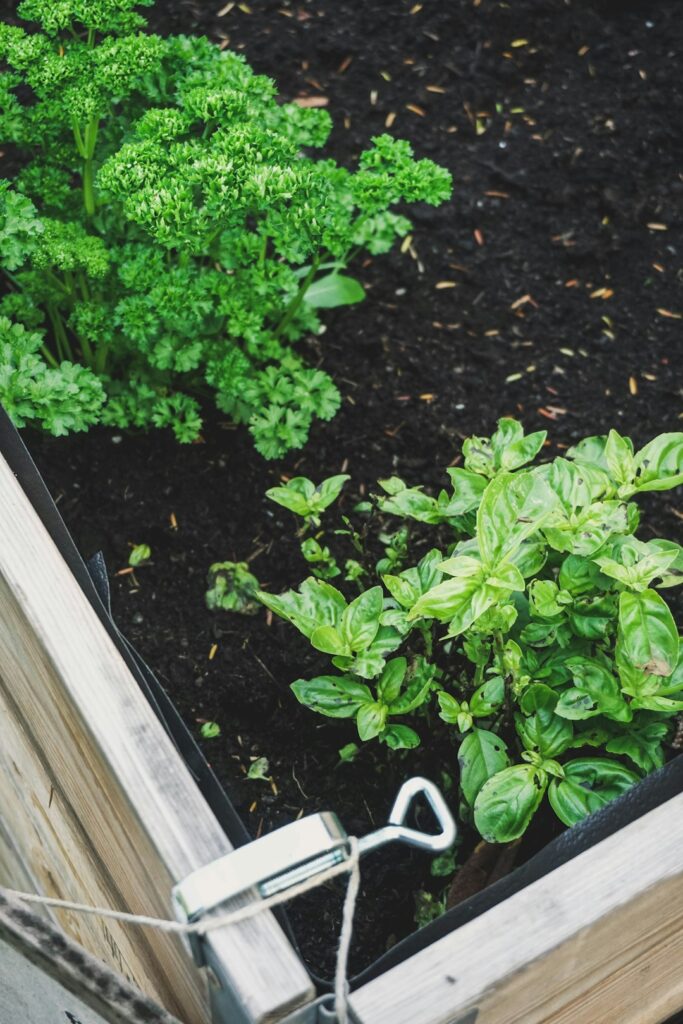
- Basil, parsley, and other commonly used herbs
Do not plant a large quantity of a crop that the household rarely eats. One or two zucchini plants can produce more than expected, while several tomato plants may require staking, pruning, watering, and regular harvesting.
Choose varieties according to available space. Determinate tomatoes and bush beans generally fit smaller gardens more easily than sprawling plants. Trellising cucumbers, peas, and some beans can increase usable growing space, but the support must be installed before the vines become heavy.
When should seeds and transplants go into the garden?
Planting dates depend on crop type and weather, not simply on the calendar. Cool-season vegetables such as peas, spinach, lettuce, radishes, and some root crops can be planted earlier in spring. Warm-season crops such as tomatoes, peppers, eggplant, cucumbers, beans, and squash need warmer soil and protection from frost.

Penn State Extension notes that peas can germinate in soil above about 40°F, while tomatoes, peppers, and eggplant should be transplanted only after conditions are reliably warm. Cucumbers, melons, and squash may be direct-seeded after frost risk has passed or started indoors several weeks earlier. ([extension.psu.edu](https://extension.psu.edu/starting-your-summer-vegetable-garden-seeds-or-transplants?utm_source=openai))
For the local growing season:
- Sow many cool-season crops in early to mid-spring, following the seed packet
- Wait until the danger of hard frost has passed before planting beans, cucumbers, squash, and corn
- Plant tomatoes and peppers after nights are consistently mild and the soil has warmed
- Consider a second planting of lettuce, radishes, beans, or other quick crops for a fall harvest
Frost dates are averages rather than guarantees. Keep row cover, an overturned container, or another breathable protection method available for an unexpected cold night. Do not place plastic directly against plant foliage.
How should seeds be planted?
Read the seed packet for depth, spacing, thinning instructions, and days to maturity. A common mistake is sowing every seed in a packet too closely together. Crowded seedlings compete for light and air and are more difficult to maintain.
As a general practice, plant small seeds shallowly and larger seeds deeper, but follow the packet when its instructions differ. Press the soil gently around the seed and water with a fine spray so it is not displaced.
Once seedlings emerge, thin them to the recommended spacing. Removing extra seedlings can feel wasteful, but adequate spacing usually produces stronger plants and cleaner harvests.
How much water does a vegetable garden need?
Water slowly and deeply enough to moisten the root zone. Newly planted seeds need consistent surface moisture, while established plants benefit from less frequent but more thorough watering.
Check the soil with a finger before watering. If the upper inch is dry, seedlings may need attention. Mature plants can be checked several inches down. Morning watering is generally preferable because leaves have time to dry before evening.
Mulch can help conserve moisture and reduce weeds. Apply a thin layer of untreated shredded leaves, straw, or finished compost after seedlings are established. Keep mulch slightly away from plant stems to reduce rot and pest shelter.
What should be done about weeds and pests?
Remove weeds while they are small. Hand-pulling, shallow hoeing, and mulch are usually sufficient in a small garden. Deep cultivation can bring new weed seeds to the surface and disturb plant roots.
Inspect plants regularly for chewed leaves, discoloration, curling, and insects. Identify the problem before treating it. Some leaf damage is cosmetic and does not justify removing a healthy plant. Physical barriers, hand-picking, and removing diseased leaves are often appropriate first steps.
Rotate crop families when possible, especially if the garden remains in the same location. Avoid planting tomatoes, peppers, eggplant, or potatoes in the same section year after year. Rotation will not prevent every disease, but it can reduce the buildup of some soil-related problems.
How can a first-year garden stay manageable?
Keep a simple garden record. Note planting dates, varieties, weather conditions, pest problems, and which crops were harvested successfully. This information becomes more useful than generic calendars because it reflects the exact conditions of the site.
Begin with a few crops, leave pathways wide enough to use, and plant only what can be watered and harvested consistently. The most productive first garden is not necessarily the largest; it is the one that can be observed, maintained, and adjusted throughout the season.