

 See My Latest Article on HelloNation
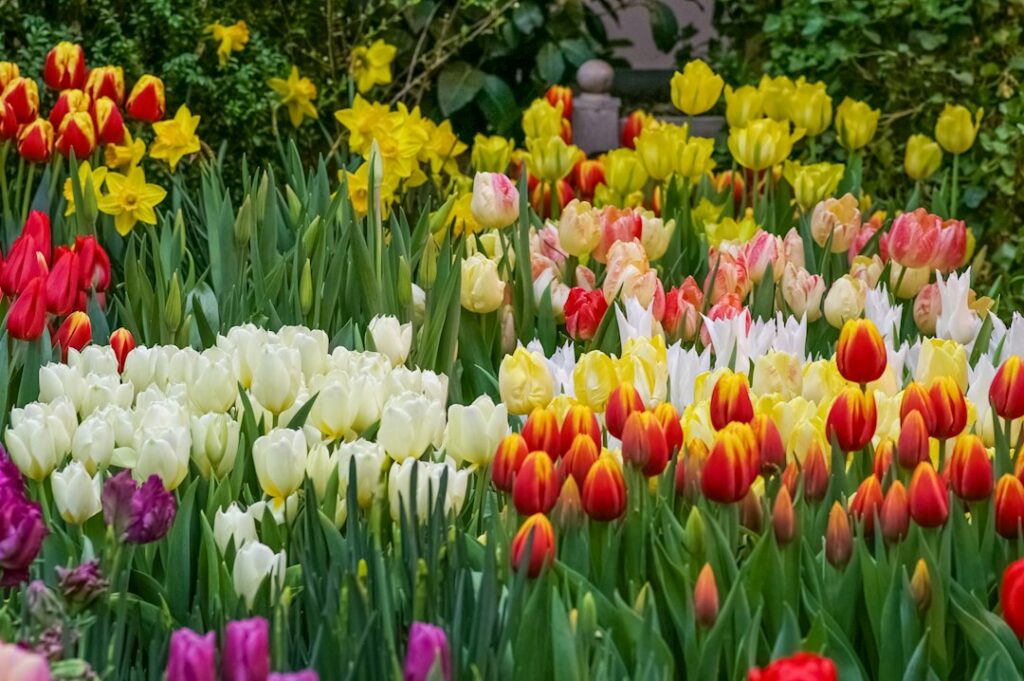
Gardens in Phoenixville, PA can have color in every season, but no single flower blooms continuously from January through December. The most reliable approach is to combine spring bulbs, long-blooming summer plants, fall perennials, and a few winter-interest plants that keep beds attractive after flowers fade.
The local climate brings cold winters, humid summers, occasional drought, and quick changes between wet and dry conditions. Choosing plants for each season—and matching them to the amount of sun, drainage, and moisture in the planting area—usually matters more than selecting the longest possible list of flowers.
Which flowers provide color in early spring?
Early spring color comes mainly from bulbs and hardy perennials that tolerate cool soil. Plant spring-flowering bulbs in fall, while the ground is workable, so they can establish roots before winter.
Good choices include:
- Crocuses for very early color in lawns, borders, and rock gardens
- Daffodils for dependable blooms and resistance to browsing animals
- Tulips for bold color in sunny, well-drained beds
- Grape hyacinths for compact blue or purple flower clusters
- Hellebores for nodding flowers in late winter or early spring
- Creeping phlox for low-growing color along walls and sunny edges
- Virginia bluebells for moist, partly shaded areas
Daffodils are especially useful in residential landscapes because they often return for many years with little attention. Tulips can be excellent for spring displays, although some varieties decline after a few seasons, especially in heavy or poorly drained soil.
Bulbs should be planted in soil that drains reasonably well. A planting area that stays soggy after snowmelt or spring rain may cause bulbs to rot.
What should be planted for late spring and early summer?
Late spring is when perennial borders begin to fill out. Plants that bloom during this period can bridge the gap between spring bulbs and summer annuals.
Useful selections include peonies, bearded iris, catmint, coral bells, columbine, salvia, and hardy geraniums. Peonies are long-lived and well suited to sunny locations, although their heavy flowers may need support after strong rain. Bearded iris prefers good drainage and can struggle if planted too deeply.
For partly shaded beds, coral bells and columbine offer foliage and flowers without requiring full sun. Coral bells are also valuable because their colorful leaves continue to provide interest after the flower stalks finish.
Late spring is a good time to assess moisture patterns. Areas beneath roof edges, near downspouts, or beside paved surfaces may dry quickly or receive concentrated runoff. Flower choices should reflect those conditions rather than treating the entire yard as one planting environment.
Which flowers are dependable during summer heat?
Summer color is most consistent when plants are selected according to sunlight and soil moisture. Most flowering plants need at least six hours of direct sun for their strongest display, while woodland and shade plants usually prefer morning light or filtered sun.
For sunny locations, consider:
- Coneflower for long-lasting pink, white, or orange-toned blooms
- Black-eyed Susan for midsummer through early fall color
- Garden phlox for fragrant flowers and pollinator activity
- Daylilies for adaptable, low-maintenance planting
- Coreopsis for yellow flowers and fine-textured foliage
- Bee balm for colorful blooms and hummingbird activity
- Yarrow for dry, sunny areas with good drainage
- Annual zinnias and marigolds for quick seasonal color
Coneflower, black-eyed Susan, and coreopsis are particularly useful in areas that become dry in July or August once established. They still benefit from watering during prolonged heat, but they generally handle ordinary summer conditions better than shallow-rooted annuals.
For partial shade, astilbe, hostas, impatiens, begonias, and ligularia can provide color and texture. Shade does not always mean cool, moist soil; areas beneath mature trees may be dry because tree roots compete for available water. In those locations, new plantings need regular watering while roots become established.
How can a garden stay colorful in late summer and fall?
Late-summer and fall flowers prevent the garden from losing interest after early perennials finish. Native and adapted plants also provide valuable food for pollinators at a time when fewer plants may be blooming.
Reliable choices include:
- Garden mums for late-season flowers in containers or beds
- Asters for purple, blue, pink, or white blooms
- Sedum for late-summer flowers and sturdy foliage
- Goldenrod for bright yellow color and pollinator support
- Japanese anemone for tall flowers in late summer and fall
- Joe-Pye weed for height in moist areas
- Switchgrass or other ornamental grasses for seed heads and movement
Asters and goldenrod are often misunderstood as causes of seasonal allergies. Their pollen is generally heavier and less likely to become airborne than the pollen of wind-pollinated plants. They can support bees and other insects during the fall transition.
Avoid cutting every perennial back immediately after flowering. Seed heads from coneflower, rudbeckia, and ornamental grasses can add structure through fall and provide food or cover for wildlife.
What plants add interest during winter?
Winter flower color is limited, but a garden can still look intentional after the first frost. Evergreens, colorful stems, persistent seed heads, and a few cold-season blooms help carry the landscape through the dormant months.
Useful options include:
- Lenten rose, which may bloom from late winter into early spring
- Winter heath for low-growing flowers in protected locations
- Evergreen hellebores and colorful coral bell foliage
- Red-twig or yellow-twig dogwood for bright stems
- Ornamental grasses for upright texture
- Sedum and coneflower seed heads for structure and bird activity
- Evergreen ground covers for dependable foliage

Winter interest is especially valuable in smaller urban and suburban yards where beds are visible from windows. Leaving some sturdy stems standing until late winter also gives insects shelter and reduces the amount of bare soil exposed to erosion.
How should flowers be arranged for continuous color?
A year-round planting plan works best when bloom periods overlap. Instead of placing all spring flowers in one bed and all fall flowers in another, repeat several plant types throughout the landscape.
A simple pattern might include:
- Spring bulbs beneath summer perennials
- Early perennials near plants that bloom in midsummer
- Coneflowers and ornamental grasses beside fall asters
- Evergreen foliage at the front or back of beds for winter structure
- Annual flowers in gaps during the first few years of perennial growth
Use different heights in layers. Low plants belong near paths and bed edges, medium-height flowers fill the center, and taller plants can screen fences or anchor the rear of a border. Repeating a plant in several locations usually creates a more cohesive appearance than using one of every available flower.
Which common mistakes reduce seasonal color?
The most frequent problem is choosing plants based only on flower color. A plant may have attractive blooms but fail if the site is too wet, too dry, too shady, or exposed to strong winter wind.
Other common mistakes include:
- Planting sun-loving flowers beneath dense tree canopies
- Crowding plants, which increases disease and reduces airflow
- Applying excessive fertilizer, which can produce weak stems and leaves with fewer flowers
- Watering lightly and frequently instead of watering deeply during establishment
- Removing all foliage immediately after bulbs finish blooming
- Ignoring mature plant size
- Planting tender annuals before the danger of a hard frost has passed
Bulb foliage should remain until it yellows naturally because the leaves restore energy to the bulb for the following year. Foliage can be tied loosely or hidden among later-growing perennials, but it should not be cut while still green.
How much maintenance is required?
A diverse flower garden does not need constant attention, but it does require seasonal observation. Water new plants regularly during their first growing season, especially during hot or dry periods. Mulch can help moderate soil temperature and moisture, but it should be kept slightly away from plant crowns and woody stems.
Each season, check for crowded growth, standing water, broken stems, and plants that are receiving less sunlight than expected. Dividing crowded perennials every few years can restore vigor and create additional planting areas without expanding the garden.
For the most reliable year-round display, select plants for the actual conditions of each bed, overlap bloom times, and include foliage and stems as part of the design. Flowers provide the highlights, but the garden’s structure comes from plants that remain useful before and after peak bloom.