

 See My Latest Article on HelloNation
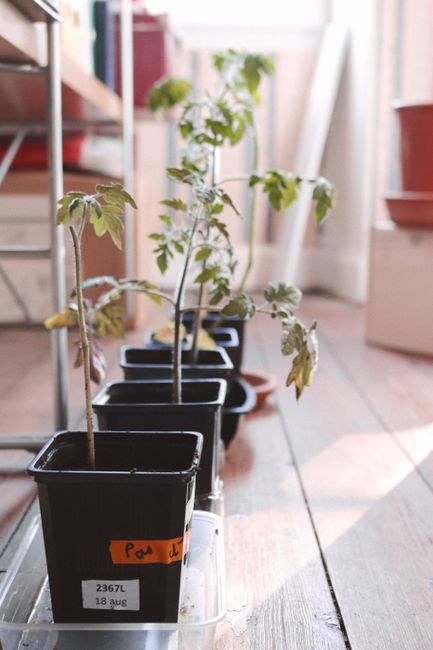
Tomatoes are well suited to containers, especially for residents with patios, balconies, small yards, or limited garden space. The most reliable results come from choosing a compact variety, using a large container, placing it in full sun, and keeping moisture consistent throughout the growing season.
What type of tomato grows best in a container?
Compact determinate, dwarf, patio, and cherry tomato varieties are generally the easiest choices for pots. Determinate plants reach a more defined size and produce much of their crop over a shorter period, while indeterminate varieties continue growing and fruiting until cold weather or disease stops them.
Indeterminate tomatoes can grow successfully in containers, but they need a larger pot, a sturdy support, and more frequent watering. For a first container crop, look for plants described as:
- Bush or patio types
- Dwarf or compact varieties
- Container-suitable tomatoes
- Cherry or small-fruited tomatoes
- Disease-resistant cultivars
A plant label that says “small fruit” does not always mean “small plant.” Check the mature height and width before planting. A compact plant that stays manageable is often more productive in a pot than a large variety crowded into a container that is too small.
How large should a tomato container be?
Use a container at least 20 inches wide for one tomato plant. The pot should also be deep enough to support a substantial root system and a top-heavy plant. Penn State Extension recommends a container at least 20 inches wide for a single tomato, with drainage holes at the bottom. ([extension.psu.edu](https://extension.psu.edu/container-vegetable-gardening-four-keys-to-success?utm_source=openai))
Larger containers provide several advantages:
- They hold moisture longer during hot weather.
- They give roots more room to develop.
- They are less likely to tip in wind.
- They reduce stress caused by rapid changes in soil moisture.
A heavy pot is useful on an exposed deck or rooftop, but remember that it may be difficult to move after filling. Set the container in its final location before adding the potting mix.
Avoid placing a small tomato plant in a narrow decorative pot simply because it fits there initially. Tomatoes grow quickly, and a container that seems adequate in May may become too dry and unstable by July.
What soil should be used for container tomatoes?
Use a quality soilless potting mix rather than soil dug from the yard. Garden soil is usually too dense for containers and may drain poorly, especially after repeated watering. A suitable mix commonly includes materials such as composted bark, peat moss or coconut coir, perlite, or vermiculite. ([extension.psu.edu](https://extension.psu.edu/container-vegetable-gardening-four-keys-to-success?utm_source=openai))
Finished compost can be blended into the potting mix, but avoid filling the entire container with compost. Too much compost may hold excess moisture or contribute more nutrients than the plant can use.
Do not place a layer of gravel in the bottom of the pot to “improve drainage.” This does not solve drainage problems and reduces the volume available for roots. The container should have open drainage holes, and the pot should sit where excess water can escape freely.
When should tomatoes be planted outdoors in Phoenixville, PA?
Tomatoes should be planted outside only after the danger of frost has passed and the soil has warmed. In this area, late spring nights can still be cool, so watch overnight temperatures rather than relying only on the calendar.
Penn State Extension notes that tomatoes are warm-season plants, that frost can kill them, and that blossom drop may occur when nighttime temperatures fall below 55°F. Plants should be hardened off by gradually increasing their exposure to outdoor sun and wind over about a week. ([extension.psu.edu](https://extension.psu.edu/tomatoes-from-seedlings-to-fruit?utm_source=openai))
Before transplanting:
1. Place the plant outdoors in a sheltered, partly shaded location for a few hours.
2. Increase outdoor time each day.
3. Gradually introduce stronger sunlight and wind.
4. Bring the plant indoors if a frost or unusually cold night is expected.
Container soil can warm faster than ground soil, but it can also cool more quickly. A cold container near a wall or on a raised deck may experience greater temperature swings than soil in a garden bed.
How much sunlight do container tomatoes need?
Provide at least six hours of direct sunlight each day, with eight hours often producing better growth and fruiting. A south- or southwest-facing location is often useful, but observe the site across the day. Nearby buildings, fences, railings, and mature trees may cast more shade than expected.
In dense residential areas, a sunny driveway edge, balcony, porch, or open courtyard may work well. However, avoid locations where reflected heat from masonry or pavement causes the container to dry out repeatedly.
Turn the pot occasionally if the plant leans toward the light. This encourages more even growth, although turning a large container can be difficult once the plant is mature.
How often should container tomatoes be watered?
Water deeply whenever the upper inch of potting mix feels dry, allowing water to flow from the drainage holes. During hot, windy weather, a mature tomato may need water daily, and a small container may need checking twice a day.
The goal is consistent moisture, not constantly soggy soil. Irregular watering can contribute to wilting, flower drop, fruit cracking, and blossom end rot. Penn State Extension explains that blossom end rot is associated with inconsistent moisture and impaired calcium movement into developing fruit; maintaining steady moisture is more helpful than adding calcium automatically. ([extension.psu.edu](https://extension.psu.edu/tomato-diseases-and-disorders-in-the-home-garden?utm_source=openai))
Water at the base of the plant, preferably in the morning. If foliage becomes wet, it should have time to dry before evening. Mulching the surface with a thin layer of straw, shredded leaves, or another suitable organic material can slow evaporation, but keep mulch away from direct contact with the stem.
Should container tomatoes be fertilized?
Yes. Frequent watering gradually carries nutrients out of a container, so tomatoes usually need supplemental feeding during active growth. Begin with a balanced fertilizer incorporated according to the label directions, then continue with a fertilizer intended for vegetables or tomatoes as the plant grows and begins setting fruit.
Avoid applying large amounts of nitrogen. Excess nitrogen can produce a tall, leafy plant with fewer flowers and may worsen some fruit problems. Fertilize moist soil rather than applying concentrated fertilizer to a dry root system.
If the plant has lush leaves but few flowers, consider excessive nitrogen, insufficient sunlight, or stressful temperature swings before adding more fertilizer.
What support do tomato plants need?
Install a cage, stake, or trellis when planting rather than waiting until the plant is large. Adding support later can disturb the roots.
Determinate tomatoes generally need shorter supports, while indeterminate varieties require taller and stronger structures. Penn State Extension recommends supports suited to the plant’s mature size and cautions that tomato plants become large and top-heavy. ([extension.psu.edu](https://extension.psu.edu/tomatoes-from-seedlings-to-fruit?utm_source=openai))
Tie stems loosely with soft material. Do not cinch ties tightly around the stem, because the plant will expand as it grows. Check supports after heavy rain or strong wind.
How can common tomato problems be reduced?
Good growing conditions prevent many problems before treatment is needed. Maintain airflow, avoid crowding, remove lower leaves that touch the potting mix, and water the soil rather than the foliage.
Early blight and Septoria leaf spot are favored by wet foliage and poor air circulation. Penn State Extension recommends disease-resistant varieties, proper spacing, removal of infected plant material, and avoiding overhead irrigation. Diseased leaves should not be added to home compost. ([extension.psu.edu](https://extension.psu.edu/tomato-diseases-and-disorders-in-the-home-garden?utm_source=openai))
Inspect plants at least once or twice a week. Look beneath leaves for insects, examine stems for damage, and check fruit as it develops. Tomato hornworms can be a concern during summer in Pennsylvania, particularly from July into early September. ([extension.psu.edu](https://extension.psu.edu/forage-and-food-crops/vegetables/pests-and-diseases?utm_source=openai))
When are container tomatoes ready to harvest?
Harvest tomatoes when they have developed their mature color and yield slightly to gentle pressure. Fruit can also be picked when it has begun to change color and allowed to finish ripening indoors if squirrels, birds, or sudden weather are a problem.
Check plants frequently once fruit begins to color. Regular harvesting encourages continued production, especially on indeterminate plants. At the end of the season, remove spent plants and discard diseased material rather than reusing it in compost or leaving it in the container.
For next year, wash the pot, empty and replace old potting mix, and avoid growing tomatoes, peppers, eggplants, or potatoes in the same reused mix without refreshing it. This reduces the chance of carrying disease problems into another growing season.