

 See My Latest Article on HelloNation
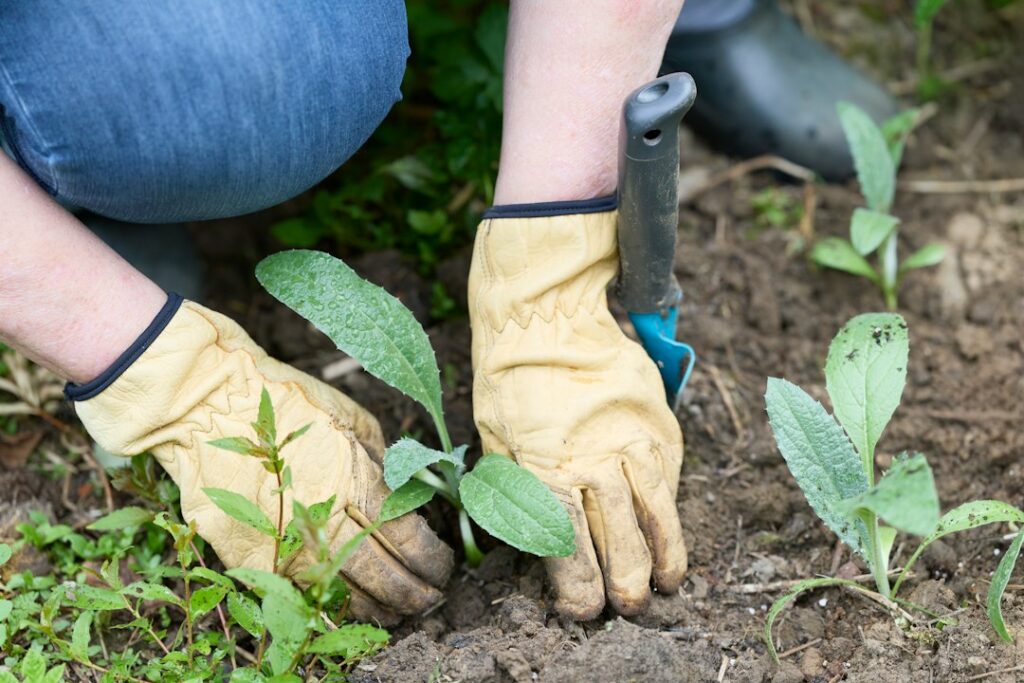
What should gardeners do before planting?
Good soil preparation begins with testing, observing, and improving the soil gradually. In Phoenixville, PA, many residential gardens contain compacted soil from construction, foot traffic, or years of grass growth. Some planting areas may also have heavy clay or soil mixed with gravel and fill.
Before digging, identify the planting area’s sunlight, drainage, and previous use. A vegetable garden, perennial bed, raised bed, and lawn edge may each need a different approach. Soil should be workable but not wet enough to form sticky clumps.
The basic preparation process is:
- Remove weeds and existing grass.
- Test the soil before adding amendments.
- Loosen compacted soil without pulverizing it.
- Add organic matter when appropriate.
- Shape the bed for drainage.
- Plant according to seasonal conditions.
How can soil be tested before planting?
A soil test is the most reliable way to determine whether the ground needs lime, nutrients, or other corrections. Testing is especially useful for vegetable gardens, new planting beds, and areas where plants have struggled repeatedly. Homeowners can send a sample to Penn State Extension for a detailed professional soil test, or use a basic at-home test kit for faster results with less precision.
A basic soil test commonly measures:
- Soil pH
- Phosphorus
- Potassium
- Calcium and magnesium
- Organic matter or related soil characteristics
Collect several small samples from the planting area rather than relying on one scoop. Remove surface debris, take soil from the root zone, mix the samples in a clean container, and follow the testing laboratory’s instructions.
Testing matters because extra fertilizer does not automatically improve poor soil. Excess phosphorus, for example, can accumulate and move into waterways. Lime should also be added only when a test or reliable guidance indicates that the soil is too acidic.
How should a new garden bed be cleared?
Begin by removing weeds, grass, roots, and visible debris. Perennial weeds should be removed as completely as possible, since small root fragments can regrow after planting.
For a small bed, a sharp spade or garden fork is usually sufficient. Slice beneath grass and lift it in manageable sections. Shake loose soil from the roots and compost healthy grass only if it contains no persistent weeds or weed-seed heads.
Avoid tilling soil that is saturated. A simple test is to squeeze a handful of soil. If it forms a muddy ball that does not crumble with gentle pressure, wait for better conditions. Working wet soil can create dense layers that restrict roots and water movement for years.
Sheet mulching can be useful where digging is difficult. Layers of plain cardboard covered with compost and mulch can smother grass over time, although this method requires patience and enough depth for the desired plants.
Should garden soil be tilled or dug?
Loosening compacted soil helps roots, air, and water move through the planting area, but aggressive tilling is not always beneficial. Repeated tilling can break down soil structure, disturb earthworms, and bring buried weed seeds to the surface.
For established beds, loosen the soil only as deeply as needed. A garden fork can open compacted areas without fully turning the soil. Insert the fork, rock it slightly, and lift without flipping every layer.
In new beds, remove large stones, roots, and construction debris from the upper root zone. Avoid creating a sharply different layer between amended soil and dense soil below. Water may collect at that boundary instead of draining downward.
What organic matter should be added?
Finished compost is usually the most useful general amendment for improving garden soil. It can increase moisture retention in sandy soil and improve structure in heavier soil. Compost also adds a modest amount of nutrients without the concentrated strength of many fertilizers.
Spread a thin, even layer over the bed and mix it into the upper portion of the soil. Adding large amounts all at once can create an artificial planting layer with different drainage and settling characteristics from the soil below.
Other materials require caution:
- Manure should be fully composted before use, especially in vegetable gardens.
- Fresh wood chips should remain on the soil surface rather than being mixed into planting soil.
- Peat-based materials can affect moisture management and are not a complete substitute for compost.
- Sand rarely improves clay soil when used in small amounts and may create a denser mixture.

A bagged blend such as Bumper Crop combines several of these materials — including compost and composted manure — into one product for gardeners who prefer a single amendment rather than sourcing each ingredient separately.
Organic matter works best as an ongoing practice. Annual additions of compost, leaf mold, or decomposed plant material can gradually improve structure without dramatic changes to the soil.
How can heavy clay soil be improved?
Clay soil can hold nutrients well but may drain slowly, become hard when dry, and compact easily when wet. It should not be treated as useless soil. The goal is to improve its structure and protect it from compaction.
Add organic matter at the surface and loosen the soil when it is slightly moist, not saturated. Use mulch to reduce crusting and protect the surface from heavy rain. Plant roots, earthworms, and soil organisms will help incorporate organic material over time.
Raised beds can be helpful where existing soil remains poorly drained or heavily compacted. They should still have a gradual transition into the ground below rather than a sealed container effect. Avoid filling a bed with pure compost; a balanced soil mixture is more stable for long-term planting.
How does drainage affect planting decisions?
A soil bed that stays wet after rainfall may need drainage improvements before anything is planted. Observe the area after a heavy rain and again several hours later. Persistent puddles, gray soil, or a sour odor can indicate poor drainage.
Do not solve drainage problems simply by adding a layer of gravel beneath the planting soil. In many situations, this creates a perched water table rather than improving drainage. Better options may include:
- Choosing plants suited to moist conditions
- Redirecting surface water where permitted
- Building a gently raised planting area
- Reducing compaction
- Improving the soil surface with organic matter
Downspouts, grading, buried utilities, and property boundaries should be considered before changing the flow of water. Digging near underground lines is another reason to confirm their location first.
What should be done with mulch?
Mulch should be applied after the soil has been prepared and plants are in place. Apply a 2- to 3-inch layer of shredded leaves, composted leaf material, shredded bark, wood mulch, or other suitable organic material to moderate soil temperature, reduce evaporation, and limit weed growth.
Keep mulch several inches away from plant stems and tree trunks. Thick, wet mulch touching bark can encourage decay and create shelter for pests. Excessive depth can also limit air movement and cause shallow rooting.
In the local climate, mulch is useful during hot, dry periods as well as during winter temperature swings. It should be refreshed gradually rather than piled repeatedly over old layers.
When is soil ready for planting?
Soil is ready when it crumbles easily, drains reasonably well, and has been cleared of major weeds and debris. Planting too early into cold or waterlogged ground can slow root growth and increase the risk of rot.
Cool-season crops and hardy plants can tolerate earlier conditions than warm-season vegetables and tender annuals. Follow the planting requirements for each species rather than relying only on the calendar. Seeds also need appropriate soil temperature, moisture, and depth.
After planting, water deeply enough to settle the soil around roots without leaving the bed saturated. Continue observing the soil. Good preparation is not a single event; it is a process of adding organic matter, avoiding compaction, watering carefully, and adjusting plant choices to the conditions of each bed.
What soil preparation mistakes are most common?
The most common problems are over-amending, digging wet soil, adding fertilizer without testing, and assuming every part of a yard has the same soil. Soil near foundations, former driveways, lawns, and wooded edges can differ substantially.
Another common mistake is confusing dark color with fertility. Dark soil may contain organic matter, but it may also include undecomposed material or imported fill. Texture, drainage, pH, and test results provide more useful information than appearance alone.
Careful preparation creates a more dependable foundation for vegetables, herbs, flowers, shrubs, and native plants. It also makes future maintenance easier because roots encounter fewer physical barriers and the soil responds more predictably to rain and watering.